 E-CommerceGenerative AI in Online Retail: Uses That Pay BackGenerative AI ecommerce uses ranked by payback and risk: product descriptions, AI search and support assistants, plus Arabic quality checks for UAE stores.
Planning Your First Online Store in the UAE
Ecommerce website design UAE guide for first stores: trade licence, payment setup, VAT invoices, catalogue, delivery and returns, planned in the right order.
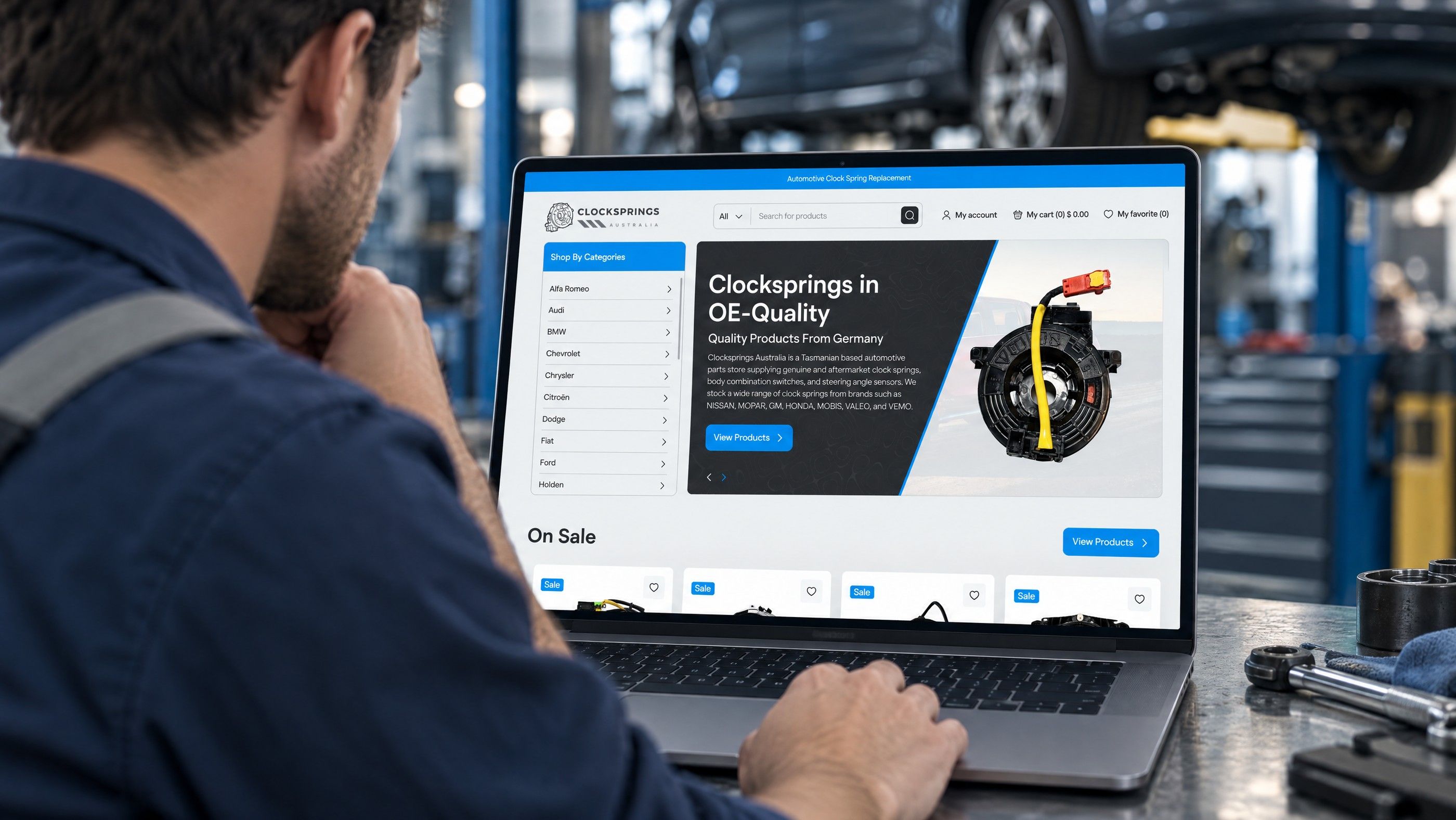
Planning ecommerce website design UAE customers will trust starts long before anyone opens a design tool. A first online store needs the right trade licence, a payment provider that will approve you, a catalogue that is ready to sell, a delivery plan customers trust and invoices that satisfy VAT rules. Get those decisions in order first and the design and build become far simpler and cheaper to change later.
This guide is for first time merchants: retailers moving from a physical shop, brands selling through Instagram, and founders launching a product line. It follows the order in which decisions actually need to be made.
Step 1: Confirm your licence covers online selling
Your trade licence is the first thing a payment provider, courier and marketplace will ask for, so it is the first thing to check. The UAE government portal explains that mainland businesses need a commercial licence that includes ecommerce activity from their emirate's economic department. Some emirates issue a standalone ecommerce licence, while others add the activity to an existing commercial licence. Companies set up in an economic zone get their licence from that zone's authority, and selling directly into the mainland may need extra approvals or a local distributor.
Questions to settle with your licensing adviser
- Does the licence list ecommerce or online trading as an activity, not only retail?
- Does it cover every product category you plan to sell? Food, cosmetics, supplements and electronics can need separate approvals.
- Can you deliver to customers across all seven emirates, and outside the UAE if you plan to?
- Is the licence held in the same legal name that will appear on your bank account and payment provider contract?
The national ecommerce framework is set by Federal Decree-Law No. 14 of 2023 on Modern Technology Based Trade. The government summary highlights obligations that shape the store itself: accurate product information, no misleading practices, compliance with data privacy and marketing rules, and a digital invoice for every transaction. Confirm the details for your business with the licensing authority or a legal adviser.
Step 2: Set up payments before you design checkout
Payment providers review your licence, website, product range, refund policy and bank details before approving you. Approval can take time, and some product categories face extra checks. Start this step early so the store is not finished but unable to take money.
Payment methods UAE shoppers expect
| Method | What to plan |
|---|---|
| Cards | A licensed gateway, 3D Secure authentication and clear failed payment messages |
| Digital wallets | Apple Pay and Google Pay support through your gateway, tested on real devices |
| Cash on delivery | Courier collection, reconciliation and rules for which orders qualify |
| Instalments | A separate provider agreement, product eligibility and how instalment orders appear in your reports |
Cash on delivery deserves a decision rather than a default. It can reassure first time customers, but it also creates refused deliveries and cash handling. Some stores offer it with limits, for example only for repeat customers or below a certain basket size. Our guide to payment security for online stores explains PCI DSS, 3DS and fraud controls in more depth.
Step 3: Get VAT and invoicing right from day one
VAT affects pricing, product pages, checkout and invoices, so it belongs in the plan, not in a later fix. The Federal Tax Authority sets a mandatory registration threshold based on taxable supplies and imports over the previous 12 months or expected in the next 30 days, and a lower voluntary threshold. Check the current figures with the FTA or your accountant.
What the store needs to handle VAT properly
- Price display. Decide whether prices shown include VAT and state it clearly on product pages and at checkout.
- Tax settings by product. Most goods are standard rated, but some supplies can be zero rated or exempt. Your platform should support different tax classes.
- Tax invoices. Once registered, invoices must carry the details the FTA requires, including your Tax Registration Number. Confirm the exact format with your adviser and make sure order emails or downloadable invoices produce it automatically.
- Refunds and credit notes. Returns need matching credit notes so your VAT return reconciles.
- Accounting link. Plan how orders flow into your accounting system rather than retyping them.
The UAE has also announced a phased move to electronic invoicing, aimed first at business to business transactions; confirm the current timeline and whether it applies to your business with the Ministry of Finance or the Federal Tax Authority. If you sell to companies as well as consumers, ask your tax adviser how the timeline applies to you and choose a platform and accounting setup that can adapt.
Step 4: Prepare the catalogue before the design
A design built around placeholder products often breaks when real data arrives. Prepare the catalogue first, even if only a sample of it.
Catalogue checklist
- Product structure. Decide categories, filters and variants such as size, colour or pack quantity.
- Product data. Collect SKU, weight, dimensions, materials, care instructions, warranty and country of origin where relevant.
- Photography. Shoot consistent images on the same background, with lifestyle shots and close ups for detail. Plan image sizes for fast mobile loading.
- Arabic content. Decide whether product names and descriptions will be translated, and who writes and reviews the Arabic. Machine translation alone rarely reads well in product copy.
- Stock source. Agree where stock levels live: the ecommerce platform, a point of sale system or an ERP. Two sources of truth lead to overselling.
Hypothetical example: a Dubai perfume brand has been selling through Instagram direct messages. Before planning its store, it lists 40 products with three sizes each, writes notes on scent families for filters, and agrees that its shop point of sale system will hold stock. The designers then work with real names, variants and images rather than guessing.
Step 5: Plan delivery and returns customers can trust
A delivery promise is part of what customers are buying, and a missed one quickly turns into a complaint. Plan what you can genuinely deliver before you write it on the site.
Delivery decisions
- Which emirates and areas you serve, and whether delivery times differ for Dubai, Abu Dhabi and the northern emirates.
- Whether you offer same day or next day delivery, and the order cut off time that makes it possible.
- Courier choice, tracking links and how delivery status reaches the customer, by email, SMS or WhatsApp.
- Pickup from your shop or a collection point, if you have one.
- International shipping, customs paperwork and duties, if you plan to sell outside the UAE.
Returns and consumer rights
Write a clear returns, exchange and refund policy before launch and link it from product pages and checkout. UAE consumer protection is governed by Federal Law No. 15 of 2020 on Consumer Protection and its implementing regulation, which the Ministry of Economy oversees. Have your policy reviewed against current rules, and make sure the store can process returns, partial refunds and exchanges without manual workarounds.
Step 6: Choose the platform that fits your first two years
For a first store, the right platform is the one your team can run every day, not the one with the longest feature list.
| Option | Suits | Watch for |
|---|---|---|
| Shopify | Merchants who want hosted software, quick setup and a large app ecosystem | App subscriptions adding up, and checking gateway and Arabic support for your needs |
| WooCommerce | Businesses already on WordPress or needing content and commerce together | Hosting, security updates and plugin quality are your responsibility |
| Headless commerce | Brands with complex content, several storefronts or high performance needs | More development effort; usually not the first step for a new store |
If you expect fast growth, wholesale buyers or several sales channels, read our guide to enterprise ecommerce platform requirements before committing, so your first platform does not block the next stage.
Step 7: Ecommerce website design UAE shoppers trust
With licence, payments, VAT, catalogue and delivery settled, online store design can focus on helping people buy.
Design priorities for a first store
- Mobile first. Design product listing, product page and checkout for a phone before a desktop.
- Arabic and English. If you support both, plan right to left layouts properly rather than mirroring the English design at the end.
- Delivery and returns near the buy button. Show delivery time, cost rules and return terms on the product page, not only in the footer.
- Guest checkout. Let first time buyers order without creating an account.
- Clear contact options. Some shoppers want to ask a question before buying, so make WhatsApp, phone or chat easy to find.
Our article on what the best UAE online stores do differently looks at these conversion habits in detail.
Step 8: Plan the operations behind the store
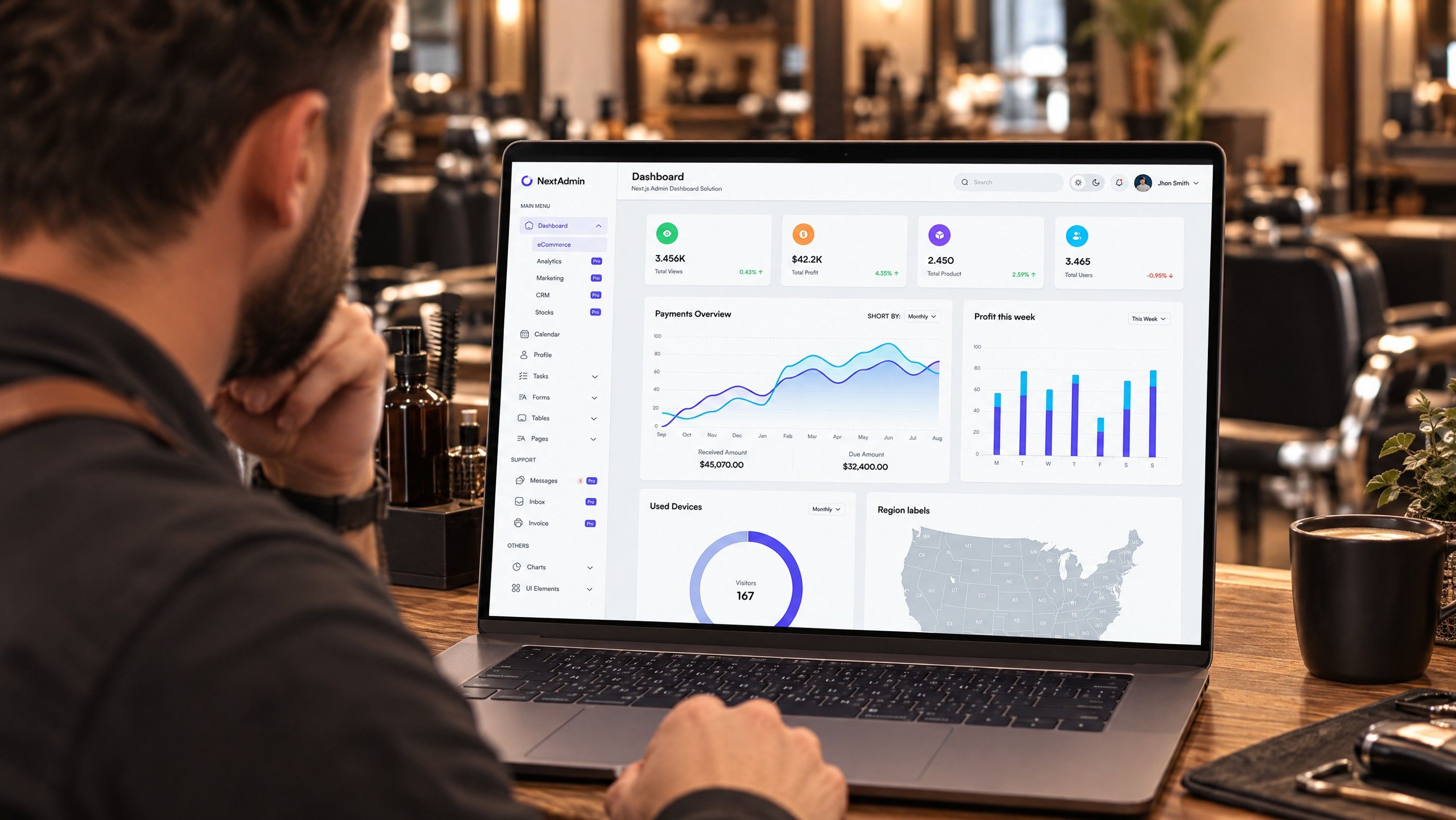
Customers see the storefront; your team works in the admin every day. Plan who processes orders, who answers messages, who updates stock and who handles returns. Map how an order moves from checkout to courier to accounting, and decide which ecommerce features you need on day one: order notifications, low stock alerts, discount codes, abandoned cart emails and basic sales reports.
Later, AI tools can help with product descriptions, search and customer service. Our guide to generative AI in online retail explains which uses pay back, but most first stores should get the fundamentals working first.
Store launch checklist
- Licence covers ecommerce and every product category you sell.
- Payment gateway approved, with cards, wallets and any cash on delivery rules tested from payment to refund.
- VAT settings, price display and tax invoices confirmed with your accountant.
- Privacy policy, terms and returns policy published and linked from checkout.
- Catalogue complete with images, variants, stock and Arabic content where needed.
- Delivery zones, times and tracking messages tested with real orders.
- Analytics and conversion tracking installed and checked.
- Team trained on orders, returns and customer messages.
- A few real test orders placed, delivered, returned and refunded.
Personal data collected at checkout also falls under the UAE Personal Data Protection Law (Federal Decree-Law No. 45 of 2021), so confirm with counsel how you collect consent and store customer details.
Plan and build your first store with Codeeo
Codeeo designs and develops online stores for UAE merchants on Shopify, WooCommerce and headless platforms, including payment integration, Arabic and English storefronts and the admin workflows behind them. See our ecommerce website development service, or visit the team at our Dubai office to plan your launch in person. Get in touch to discuss your store.
Frequently asked questions
Yes, and many brands do.
The risk is that orders, payments and customer details end up spread across messages and spreadsheets. If you start on social media, still keep a product list with SKUs and stock, collect payments through a proper provider and record orders in one place. Moving to a store later is then much easier.
E-CommerceGenerative AI in Online Retail: Uses That Pay BackGenerative AI ecommerce uses ranked by payback and risk: product descriptions, AI search and support assistants, plus Arabic quality checks for UAE stores. E-CommerceConnecting WooCommerce to ERP, CRM and Shipping Without DuplicatesPlan a WooCommerce ERP integration that avoids duplicates: data ownership rules, idempotent order sync, CRM matching and UAE shipping, with Odoo and Dynamics.
 E-CommerceEnterprise Ecommerce Platform Selection: Requirements Before DemosChoose an enterprise ecommerce platform by setting integration, multi entity, data residency and order management requirements before any vendor demo starts.
Tell us what the business needs. We will tell you what to build first.
Schedule a free consultation and get a written recommendation, with costs, before you commit to anything.
Get in touchPROVEN RESULTS
4.7 / 5verified reviews on Google