 App DevelopmentProtecting Your Website Content From Copying and ScrapingHow to protect website content from copying and scraping: AI crawler rules in robots.txt, scraper controls, DMCA takedowns and UAE copyright basics explained.
Digital Banking in the UAE: What Changed and What Comes Next
Digital banking trends in the UAE, dated: Aani instant payments, open finance rules, Jaywan card scheme and app authentication, plus what banks should do now.

The biggest digital banking trends in the UAE since 2023 are national payment rails and rules rather than new apps: an instant payments platform, a domestic card scheme, an open finance regulation and a push away from SMS passwords. For a bank or fintech, the practical question now is what each change means for products, apps and roadmaps. This overview dates each change and suggests what to do next.
Digital banking trends in the UAE: a dated timeline
The changes below come from the Central Bank of the UAE and its payments subsidiary, Al Etihad Payments, or from reporting on their announcements. Dates matter here, because several rules have been revised since they were first issued.
| When | What changed | Status to confirm |
|---|---|---|
| June 2023 | The Central Bank launched its online Rulebook, bringing regulations and standards into one searchable place. | Use it as the reference for every rule below. |
| October 2023 | Al Etihad Payments launched the Aani instant payments platform. | Which banks and exchange houses now participate, and which features are live. |
| December 2023 | The Central Bank issued its first Open Finance Regulation. | Legal commentary reports it was replaced by a new circular in July 2025. |
| Early 2025 | Jaywan, the first UAE domestic card scheme, was launched by Al Etihad Payments. | Which issuers offer Jaywan cards and which acquirers accept them. |
| 2025 to 2026 | Press and industry reports describe a phased move away from SMS and email one time passwords, with a March 2026 deadline. | Exact scope, confirmed with the Central Bank or your compliance team. |
Instant payments: Aani and what it changed
According to the Central Bank announcement, Aani launched on 16 October 2023 as part of the Central Bank's Financial Infrastructure Transformation programme. It was designed to process payments instantly, around the clock, using a mobile number or a QR code, through participating institutions' own channels or the Aani app.
What it means for products
- Customer expectation. Once people can send money to a phone number in seconds, slower transfer flows feel dated.
- Merchant use. QR based payments open new options for small merchants and service businesses.
- Back office. Instant settlement changes reconciliation and fraud monitoring, because there is no overnight window to catch problems.
What to do now
Check your institution's participation status and which Aani features you can offer. Then review the transfer flow in your app: how a user picks a recipient, what they see before confirming and how quickly they get a clear result.
Open finance in the UAE
Open finance lets customers share their financial data with, and start services through, approved providers using standard interfaces. The Central Bank's framework, published in the CBUAE Rulebook, describes a trust framework, a central API hub and shared services, with mandated licensees onboarded in phases.
The first regulation was issued at the end of 2023. Legal commentary reports that a 2025 circular replaced it, so any summary from before mid 2025 may be out of date. Read the current text in the Rulebook and confirm your institution's obligations and onboarding phase with compliance.
Questions for a bank or fintech
- Are we a mandated licensee, an open finance provider, or a business that will use the services of one?
- Which use cases matter to our customers: account aggregation, payment initiation, or data for lending decisions?
- How will consent be shown, managed and withdrawn inside the app?
- Can our backend expose and consume standard APIs without major rework?
Jaywan, the domestic card scheme
Al Etihad Payments introduced Jaywan in early 2025 as the first UAE domestic card scheme. The Central Bank's Jaywan announcement describes cards issued by licensed institutions, with a version for local and GCC use and a co badged version for wider acceptance.
For app teams, the immediate impact is practical: card management screens, wallet provisioning and merchant acceptance messages may need to recognise a new scheme. Check with your issuer or acquirer which card types are live and what changes the scheme requires in your app or checkout.
Authentication: moving beyond SMS passwords
Reports from 2025 describe a Central Bank direction for licensed institutions to phase out SMS and email one time passwords, replacing them with in app approval and biometric methods, with a deadline in March 2026. These reports come from the press and vendors rather than the published directive, so confirm the exact requirement with the Central Bank or your compliance team.
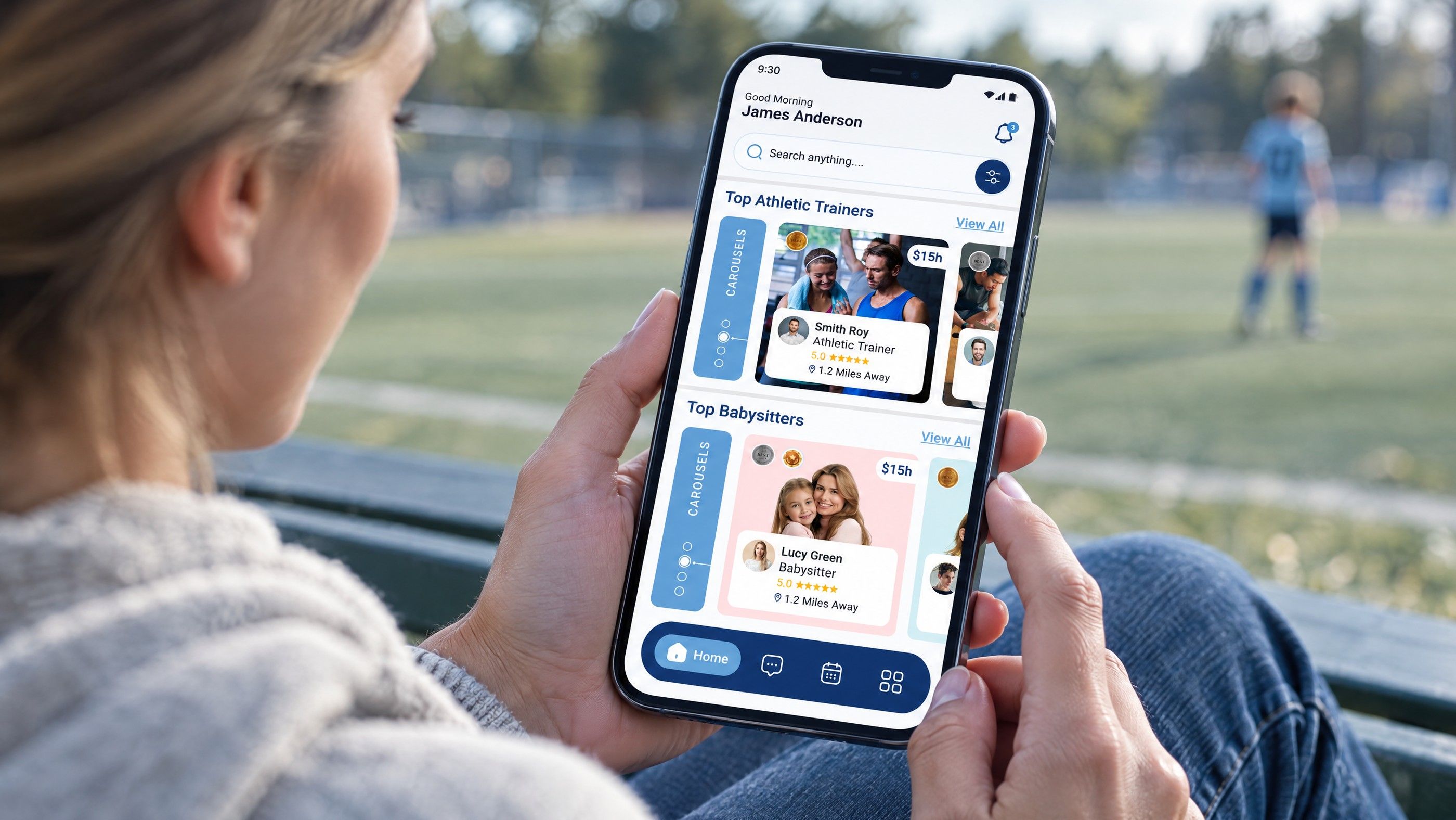
Whatever the final detail, the direction is clear. Banking app UX now needs to treat authentication as a core flow, not an afterthought:
- Bind the app to a trusted device and make the binding process clear when a customer changes phone.
- Use in app approval for sensitive actions such as new beneficiaries, with plain language on what is being approved.
- Design a recovery route for customers who lose their phone, without sending them back to weaker methods.
- Plan for web banking users who will approve actions through the app.
Neobanks and digital brands
The UAE market now includes digital banks and digital brands of established banks that operate mainly through apps. The pattern matters more than any single name: customers compare every banking app with the best one they use, whether that is a bank, a payments app or a telecom wallet.
For traditional banks, this raises the bar on onboarding speed, clarity of fees disclosure and in app support. For fintechs, it means the product must still feel trustworthy while relying on a licensed partner behind the scenes.
What a bank or fintech should do now
- Refresh your regulatory map. Check the current versions of the open finance, consumer protection and authentication rules in the Rulebook. Date every internal summary.
- Audit the app against the new rails. List where instant payments, Jaywan and open finance should appear in your app flows, and where they do not yet.
- Prioritise authentication. If the move away from SMS passwords is not complete, make it the first item on the roadmap.
- Test banking app UX with real users. Focus on transfers, approvals and recovery, which are now the moments that build or lose trust.
- Prepare your backend. Standard APIs, event driven notifications and real time fraud checks are the foundations the new rails expect.
For a step by step build plan, see building an SME banking app. Other regulated sectors face similar questions, as covered in healthcare app cost and scope. The feature tier approach in property listing app features is a useful model for planning releases, and if your app shows offers or partner promotions, read in app advertising formats and UX first.
Where Codeeo can help with your banking app
Codeeo designs and builds the customer facing apps and software that sit on top of banking and payment systems. Our mobile app development and UI/UX design teams work on bilingual flows such as transfers, approvals and onboarding, and our payment integration team connects apps and websites to payment providers. With an office in Dubai, you can meet the team to review your current app against the changes above. Contact us to start the conversation.
Frequently asked questions
No.
Instant payments add another option alongside existing transfer methods, and banks decide how to present them. In many apps, customers will see both, with instant payments used for smaller, everyday transfers. The product question is how to explain the difference clearly so customers choose the right method without needing to understand the underlying systems.
App DevelopmentProtecting Your Website Content From Copying and ScrapingHow to protect website content from copying and scraping: AI crawler rules in robots.txt, scraper controls, DMCA takedowns and UAE copyright basics explained. App DevelopmentWeb Application Penetration Testing: When It Is NecessaryWeb application penetration testing explained: when contracts, launches or major changes make it necessary, how it differs from scanning and how to prepare.
 App DevelopmentSteganography Explained: How Data Hiding Works and Is DetectedSteganography in cybersecurity explained: common data hiding techniques, how attackers use them, legitimate digital watermarking and how steganalysis works.
Tell us what the business needs. We will tell you what to build first.
Schedule a free consultation and get a written recommendation, with costs, before you commit to anything.
Get in touchPROVEN RESULTS
4.7 / 5verified reviews on Google