 Web DevelopmentWordPress VIP or Self Hosted Enterprise WordPress in the UAEWordPress VIP or self hosted enterprise WordPress in the UAE: compare data residency, hosting SLA, cost drivers and code review rules, plus key setup notes.
Landing Pages for Paid Traffic: Structure, Proof and Forms
Build a high converting landing page for Google and Meta traffic: message match, one goal, mobile above the fold, social proof and form length tests explained.
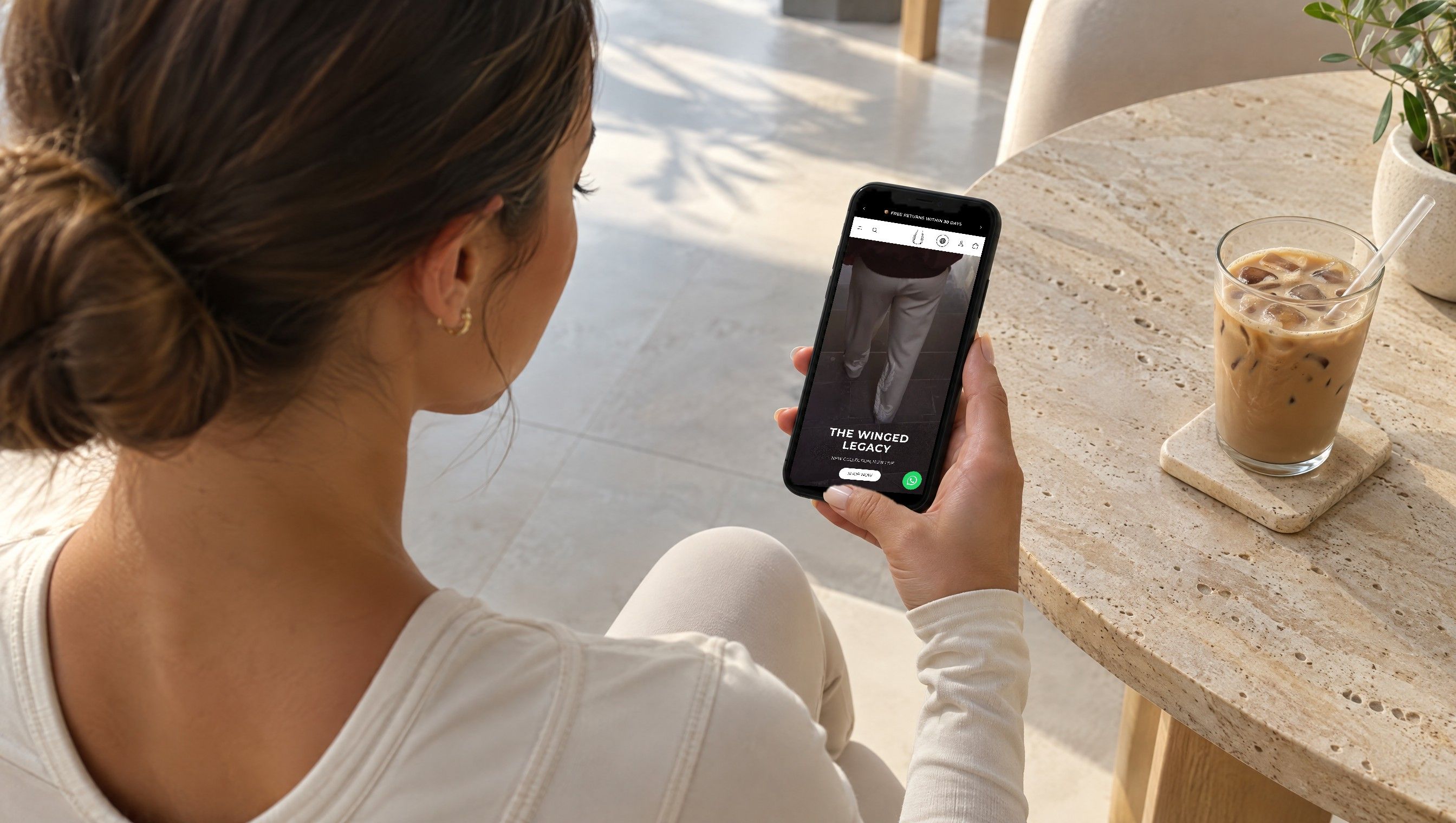
A high converting landing page for paid traffic does one job: it continues the exact promise of the ad, gives the visitor enough proof to trust you, and asks for one clear action through a short, easy form. When Google or Meta traffic lands on a general homepage instead, visitors have to search for what they clicked on, and many simply leave. Structure, proof and form design matter more than visual polish.
This guide focuses on pages built for Google Ads and Meta campaigns: how to match the ad message, what goes above the fold on mobile, how to place social proof, and how to test form length without guessing.
Why paid traffic needs its own landing pages
Organic visitors often arrive curious and willing to browse. Paid visitors arrive with a specific trigger: a search term they typed or an ad that interrupted their feed. They are paying attention for seconds, and you are paying for every click.
Google also rates the page itself. Landing page experience is one of the three components of Google Ads Quality Score, alongside expected clickthrough rate and ad relevance, and Google describes it as how relevant and useful your page is to people who click your ad. A page that matches the ad and loads quickly supports the whole campaign, not only conversions.
Search and social visitors behave differently
| Factor | Google Search traffic | Meta traffic |
|---|---|---|
| Intent on arrival | Actively looking for a solution | Interested, but interrupted while scrolling |
| What the headline must do | Confirm the search term and offer | Restate the hook from the creative |
| Amount of explanation | Short; they already know the problem | More; they may need the problem framed |
| Typical device | Mixed, depending on sector | Mostly mobile |
| Best first action | Form, call or quote request | Low effort step such as WhatsApp or a short form |
If you run both channels to the same offer, consider two versions of the page with the same structure but different headlines and opening sections.
Message match: the first five seconds
Message match means the landing page repeats the language, offer and visual cues of the ad that brought the visitor. It is the fastest way to tell someone they are in the right place.
What to match
- Headline: use the same core phrase as the ad or keyword theme. If the ad says "Corporate catering for Dubai offices", the page headline should say that, not "Welcome to our kitchen".
- Offer: if the ad mentions a consultation, a sample, a site visit or a quote within a stated time, the page must show the same offer above the fold.
- Visual: on Meta, reuse the main image or colour from the creative so the transition feels continuous.
- Location and language: if the ad targets Abu Dhabi or is written in Arabic, the page should do the same.
One page per intent, not per keyword
You do not need a separate page for every keyword. Group keywords and ads by intent, such as "price research", "urgent service" or "comparison", and build one page per group. This keeps message match strong without creating dozens of near duplicate pages to maintain.
Landing page structure for a high converting landing page
The landing page structure below works for most lead generation campaigns. Adjust the depth of each section to the complexity and price of what you sell.
- Headline and subheadline: the matched promise, plus one line on who it is for.
- Primary action: a form, WhatsApp button or call button visible without scrolling on mobile.
- Proof strip: review rating, recognisable client logos you have permission to show, or project counts you can substantiate.
- Benefits: three to five outcomes the visitor cares about, written in their words.
- How it works: a short sequence of steps so the next action feels low risk.
- Detailed proof: testimonials, case examples or before and after work.
- Objection handling: concise answers to the questions that stop people enquiring.
- Repeat action: the same form or button again at the bottom.
One goal, fewer exits
Every extra link is a way out. Remove the full site navigation or reduce it to a logo and a phone number. Keep a link to your privacy notice and essential company details, but avoid sending paid visitors to the blog, careers page or unrelated services.
If you offer several actions, choose a primary one and make the others secondary. A form and a WhatsApp button can sit together, but they should lead to the same outcome: a conversation about this offer.
Mobile above the fold
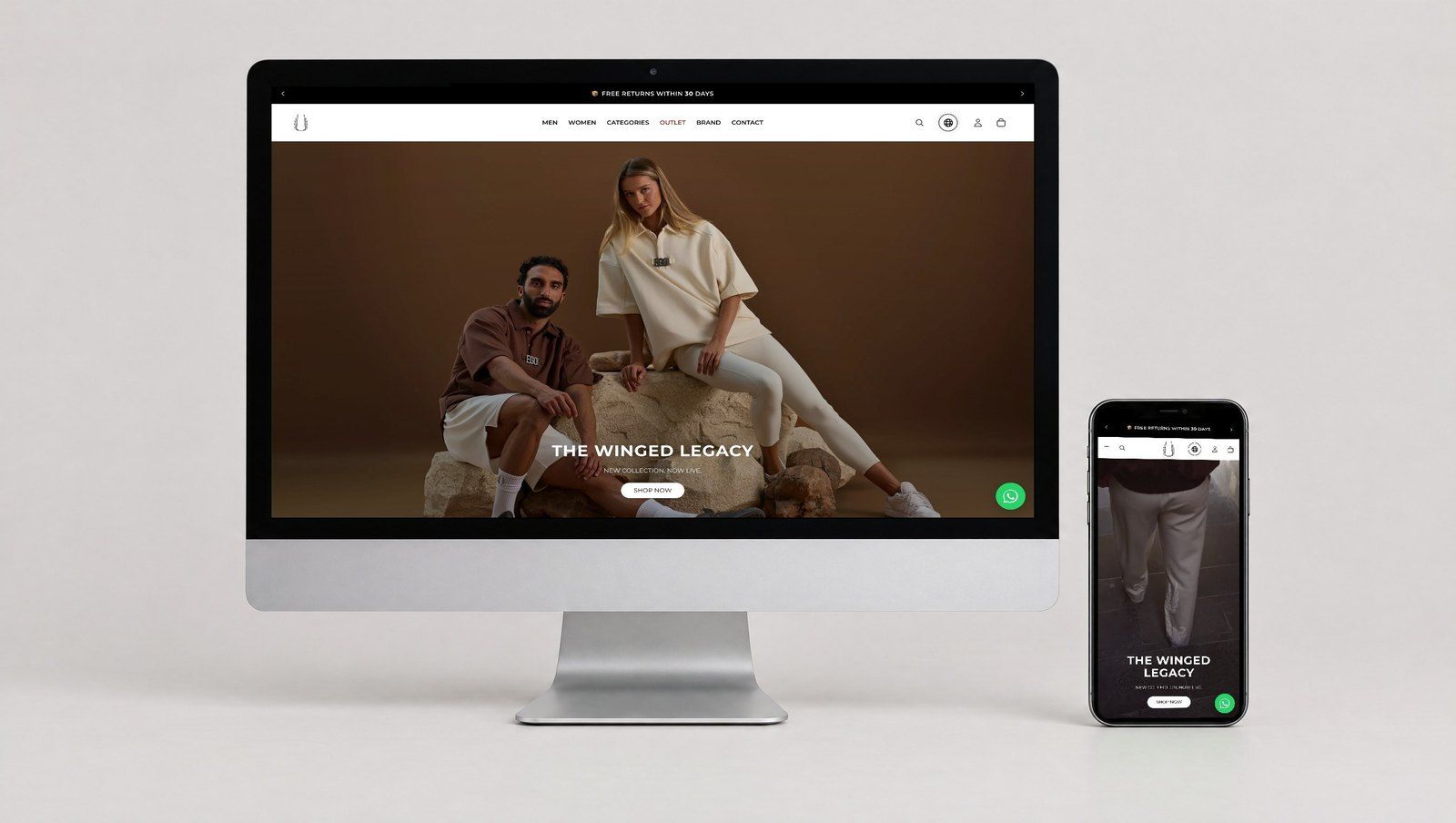
Most Meta traffic and a large share of search traffic arrive on phones, so design the first mobile screen before anything else. On a typical phone, visitors should see without scrolling:
- The matched headline.
- One line of supporting detail.
- The primary action, or the first form field with a clear button.
- A small trust signal, such as a review rating.
Common mobile problems
- Large hero images or videos that push the headline below the fold.
- Cookie banners and chat widgets covering the form button.
- Sticky bars that hide form fields when the keyboard opens.
- Slow loading caused by heavy scripts, sliders and unoptimised images.
Speed is part of the experience you are paying for. Check the page with real mobile tests, not only on office Wi Fi, and fix the largest content element first.
Social proof that actually persuades
Social proof works when it is specific, believable and placed near the decision. Generic claims like "trusted by many clients" do little.
Types of proof and where to place them
| Proof type | Best placement | What makes it credible |
|---|---|---|
| Review rating | Near the headline | Platform name and number of reviews |
| Client logos | Directly under the hero | Real clients, shown with permission |
| Testimonials | Beside or below the form | Full name, role and company where allowed |
| Work examples | Mid page | Real screenshots or photos, not stock |
| Accreditations or licences | Footer or near objections | Only those you hold and can verify |
Never invent reviews, numbers or client names. Beyond being misleading, it creates a risk under advertising policies on both Google and Meta, and with consumer protection rules.
Landing page form: length, fields and testing
The landing page form is where most paid traffic is won or lost. The right length depends on what happens after submission.
Short forms versus qualifying forms
- Short form (name and phone or email): more submissions, but more time spent filtering weak leads. Suits high volume, simple offers.
- Qualifying form (adds service type, location, timeframe or budget band): fewer submissions, but each one is easier to act on. Suits high value or complex services.
- Multi step form: asks easy questions first and contact details last. Often feels shorter, even with more fields.
How to test form length properly
- Decide what success means: total leads, qualified leads or closed deals. Measure the same thing in both versions.
- Change one thing at a time, for example removing a single field.
- Send enough traffic to each version for a fair comparison and run both over the same days of the week.
- Track lead quality in your CRM, not only form submissions, so a cheaper but weaker lead does not look like a win.
Hypothetical example: a Dubai clinic runs search ads for a specific treatment. Its first page uses a seven field form and gets few enquiries. The team tests a two step version: step one asks which treatment and preferred branch, step two asks for name and mobile number. Enquiries rise, and because treatment and branch are still captured, the reception team can call back with the right information.
Form details that protect conversions
- Default the phone field to the UAE country code while allowing others.
- Show what happens next on the button or beside it, such as "Get a call back today".
- Link to your privacy notice; personal data collected through forms falls under the UAE PDPL or DIFC and ADGM rules, depending on where you operate.
- Send leads instantly to your CRM or inbox and alert the person who calls back.
Tracking that connects ads to real leads
A page cannot be improved if conversions are not measured accurately. At minimum:
- Enable Google Ads auto tagging so clicks carry a click identifier that can be matched back to campaigns.
- Track form submissions, call taps and WhatsApp taps as separate conversion actions.
- Install the Meta Pixel and, where possible, server side events so Meta campaigns can optimise for real leads.
- Pass campaign details into your CRM so you can see which ads produce customers, not just clicks.
Meta also offers lead ads with instant forms, which collect details without a landing page. They can produce more volume with less friction, but you lose the chance to persuade with proof and detail. Many advertisers test both against the same audience and compare lead quality.
For related reading, see contact page design for WhatsApp and call customers, which pages a new business site needs, whether a UAE business still needs a website if it has Instagram and structuring an industrial or engineering company website.
Build landing pages that support your ad spend
Codeeo designs and builds landing pages for Google and Meta campaigns, with message match, mobile first layouts, tested forms and tracking connected to your CRM. Our digital marketing team plans the campaigns and conversion tracking, while the web development team builds fast pages and handles Core Web Vitals improvements. With 200+ projects delivered across the UAE and the US and an office in Dubai, Codeeo can review your current landing pages with you in person. Contact Codeeo to discuss your next campaign.
Frequently asked questions
Usually not.
Many advertisers add a noindex tag to campaign pages so near duplicate variants do not compete with core service pages in organic results. Be careful not to block Google's ad crawler, AdsBot, through robots rules or a noindex tag aimed at it, because Google lists that as a cause of uncrawlable landing pages and disapproved ads.
Web DevelopmentWordPress VIP or Self Hosted Enterprise WordPress in the UAEWordPress VIP or self hosted enterprise WordPress in the UAE: compare data residency, hosting SLA, cost drivers and code review rules, plus key setup notes. Web DevelopmentWhat a WordPress Maintenance SLA Should CoverWhat WordPress maintenance services should cover in writing: core and plugin updates, security, backups, multilingual publishing support and response times.
 Web DevelopmentWordPress Release Management: Staging, QA and RollbackA WordPress deployment workflow that releases safely: Git based builds, a staging site that mirrors live, smoke tests to run and a rollback plan written first.
Tell us what the business needs. We will tell you what to build first.
Schedule a free consultation and get a written recommendation, with costs, before you commit to anything.
Get in touchPROVEN RESULTS
4.7 / 5verified reviews on Google