 Web DevelopmentWordPress VIP or Self Hosted Enterprise WordPress in the UAEWordPress VIP or self hosted enterprise WordPress in the UAE: compare data residency, hosting SLA, cost drivers and code review rules, plus key setup notes.
Measuring Website ROI With CRM and Call Data
Measure website ROI from closed revenue, not traffic. Join form, WhatsApp and call enquiries to your CRM, protect attribution and report lead to revenue.
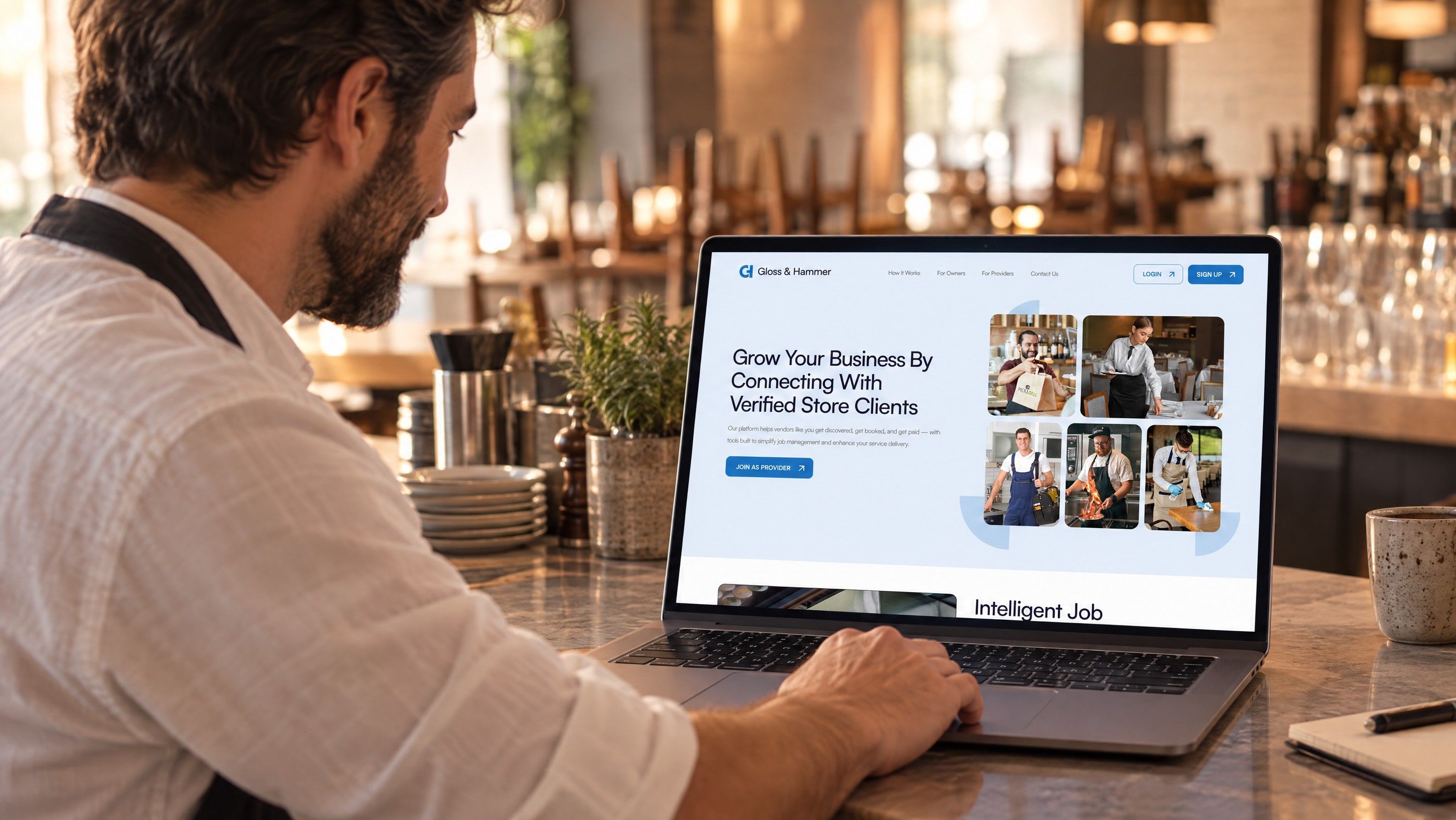
Website ROI is the revenue your website helps close, set against what the site costs to build, run and promote. Traffic, rankings and form counts do not tell you that on their own. To measure it properly, you join every enquiry the site produces, whether a form, a WhatsApp chat or a phone call, to a record in your CRM and follow that record through to a won deal.
This guide explains how to build that chain, what to capture at each step, and how to read the numbers once they start flowing. It is written for UAE businesses where a large share of enquiries arrive by phone or WhatsApp rather than through a tidy online checkout.
Why traffic reports cannot prove website ROI
Analytics tools are very good at counting sessions, page views and events. They are not built to know whether the person who filled in a form became a customer three weeks later. That knowledge lives in your CRM, your sales team's notes and your finance system.
The gap is wider in the UAE than in many markets. A visitor reads a service page, taps the WhatsApp button, chats with a salesperson, then visits the office in Dubai and signs. The website did its job, but the analytics report only shows a click on a button. If nobody connects that click to the signed contract, the website looks like a cost centre.
Metrics that look like ROI but are not
- Sessions and users: useful for spotting trends, but a busy site can produce no customers.
- Keyword positions: a ranking for a term nobody buys from is a vanity result.
- Form submissions: closer, but spam, job applicants and existing customers all inflate the count.
- Cost per lead: helpful for comparing channels, but silent on whether those leads ever paid.
Each of these is a step on the way. None of them is the answer.
The chain you need: visit, enquiry, CRM record, revenue
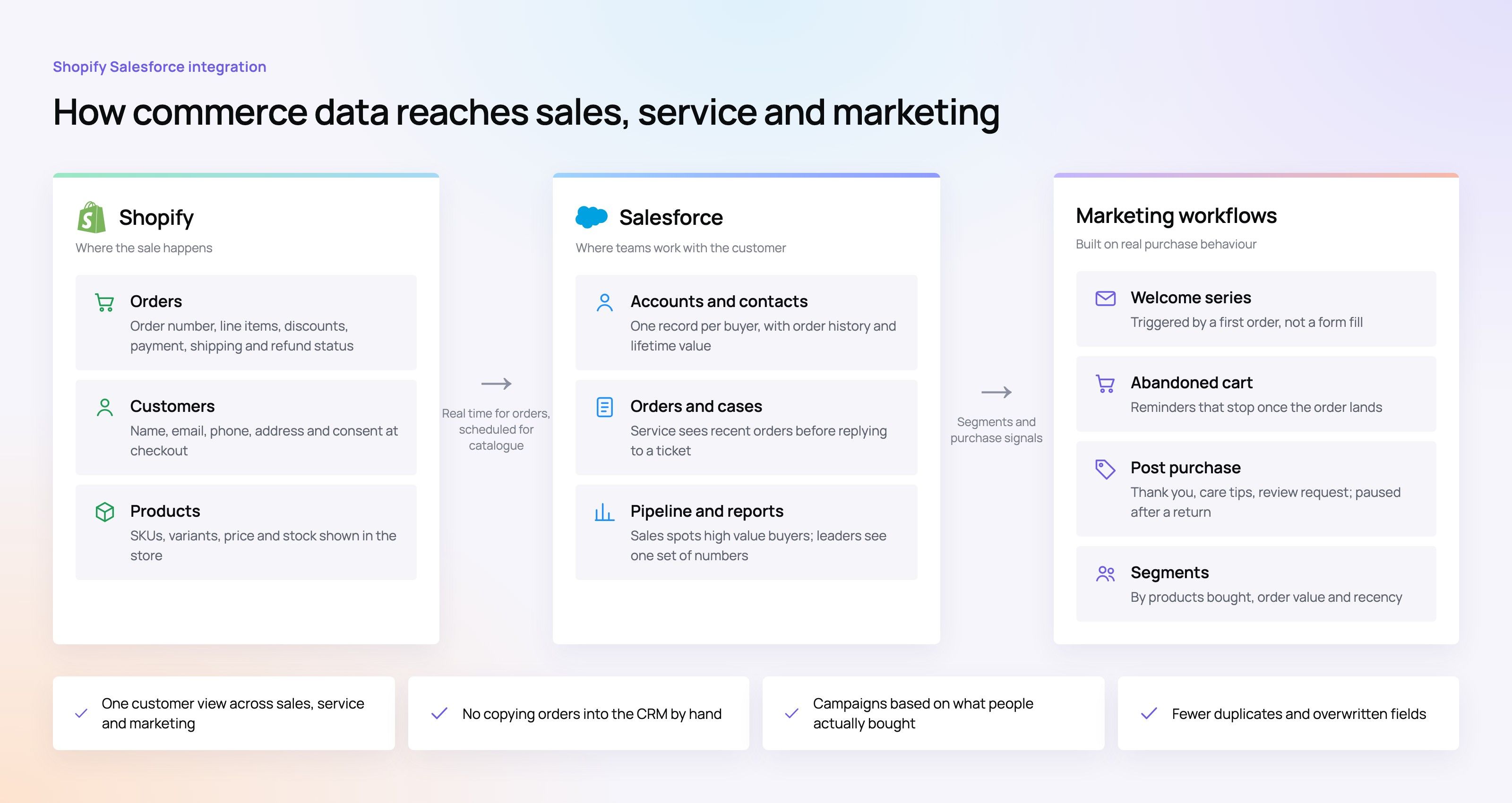
Measuring website ROI from closed revenue means building four links and making sure each one carries an identifier into the next.
- Visit: the session, with its source, campaign and landing page.
- Enquiry: the form, WhatsApp chat or call the visitor started, stamped with those source details.
- CRM record: a lead or contact created automatically, carrying the source fields from the enquiry.
- Revenue: an opportunity or deal linked to that record, with a value and a won or lost status.
If any link drops the identifier, attribution breaks. Most failed ROI projects break at step two, because calls and WhatsApp chats arrive without any record of where the person came from.
Website conversion tracking for each enquiry channel
Each channel needs its own capture method. The goal is the same in every case: the CRM record should know which visit produced it.
Web forms
Forms are the easiest channel to connect. Add hidden fields that store the UTM source, medium, campaign and the landing page, plus the click identifier from your ad platform where one exists. Send the submission straight to the CRM through its API or a native integration rather than to an inbox where someone retypes it.
Mark the submission as a key event in Google Analytics 4 so you can compare channels, but treat the CRM as the source of truth for what happened next.
WhatsApp enquiries
Click to chat buttons usually open a conversation with no context. Two practical fixes help:
- Prefilled messages per page or campaign: the opening text carries a short reference, so the agent or system can tag the chat.
- WhatsApp Business Platform integration: conversations flow into the CRM, where the reference in the first message can be mapped to a source.
The second option needs development work and a provider connection, but it removes the manual step of salespeople copying chats into the CRM.
Phone calls
Calls are often the highest value enquiries and the worst tracked. Call tracking works by showing different numbers to visitors from different sources, then logging which number rang. Better systems swap numbers per session, so a call can be tied to the visit that preceded it. The call record, with its source, should then create or update a CRM contact.
Check how any call tracking provider handles recordings and caller data before switching it on. The UAE Personal Data Protection Law, Federal Decree Law No. 45 of 2021, sets rules on processing personal data, and companies in the DIFC or ADGM fall under their own regimes. Confirm your approach with counsel where recordings or personal details are involved.
Channel capture summary
| Channel | What to capture | How it reaches the CRM | Common failure |
|---|---|---|---|
| Web form | UTM fields, landing page, click identifier | API or native integration | Submissions go to email and are retyped |
| Page or campaign reference in the first message | Business Platform integration | Chats stay on a salesperson's phone | |
| Phone call | Tracked number, session source, call outcome | Call tracking integration | One number on every page, no source |
| Walk in or email | "How did you hear about us" answer | Manual field with set options | Open text answers nobody can report on |
Making CRM attribution trustworthy
Data arriving in the CRM is only half of the job. The sales process has to keep it intact until the deal closes.
Protect the original source
Store the first source in a field that cannot be overwritten. When a returning contact enquires again through a different channel, record that as a later touch rather than replacing the original. Many CRMs, including Microsoft Dynamics 365 and Odoo, allow custom fields and rules for this.
Link deals to contacts every time
An opportunity created without a linked contact is invisible to attribution. Make the contact a required field when a deal is created, and run a weekly check for orphaned deals.
Use consistent stages and values
Lead to revenue reporting depends on clear stages: new, qualified, proposal, won, lost. If one salesperson marks deals as won when a proposal is accepted and another waits for payment, the numbers will not add up. Agree definitions and write them down.
Choose an attribution model you can explain
First touch credits the channel that introduced the customer. Last touch credits the channel just before the enquiry. Position based models split credit. For most service businesses with a handful of touches, reporting both first and last touch side by side is clearer than a complex model nobody on the board understands.
How to measure website ROI once the data flows
With enquiries linked to closed deals, the calculation itself is simple. The work is in agreeing what goes on each side.
Revenue side
- Won deal value from contacts whose first or last touch was the website.
- Gross margin on that revenue, if you want ROI on profit rather than turnover.
- Repeat revenue from those customers over an agreed period, if your business relies on renewals.
Cost side
- Design and development, spread over the expected life of the site.
- Hosting, licences, plugins and maintenance.
- Content production and SEO work.
- Paid media that sends traffic to the site.
- Internal staff time spent managing the site and its leads.
ROI is the attributed margin minus these costs, divided by the costs. Report it per quarter rather than per month, because B2B sales cycles in the UAE often run longer than a few weeks.
Hypothetical example: a Dubai fit out company
Hypothetical example: a fit out contractor receives enquiries through forms, WhatsApp and calls. Before tracking, management credits most work to referrals. After adding source fields to forms, prefilled WhatsApp messages per service page and session based call tracking, the CRM shows that a meaningful share of won projects started with a visit to the office fit out page from organic search, followed by a phone call. The marketing team shifts content effort to that service and stops funding a display campaign that produced enquiries but no won deals.
The numbers in such a case would be specific to the business. The point is that the decision came from closed revenue, not clicks.
Feeding revenue back into your ad platforms
Once won deals sit in the CRM with click identifiers attached, you can send that outcome back to the ad platforms. Google Ads supports offline conversion imports, and Meta offers a Conversions API. Both let the platforms optimise towards enquiries that became customers rather than any form fill.
This step matters most for paid search, where the cost of a click in competitive UAE sectors can be high. Bidding towards qualified outcomes reduces spend on enquiries that sales would have discarded.
Common mistakes that break the numbers
- Tracking the thank you page only: it counts submissions, not customers.
- Letting sales close deals outside the CRM: revenue that never enters the system cannot be attributed.
- Ignoring Arabic and English versions: bilingual sites often have separate forms; both need the same hidden fields.
- Forgetting consent: cookie and tracking consent affects what analytics records, so expect some gaps and design reports around them.
- Measuring too early: judge a new site after a full sales cycle, not after the first month.
If the site itself is the problem, for example because templates cannot carry hidden fields or integrations, the tracking work may reveal that a rebuild is due. Our guide to template versus custom websites and their real return covers that decision.
Where website ROI fits in wider planning
ROI reporting changes how other website decisions are made. A business deciding between a website and an Instagram only presence can compare the two on closed deals. A team weighing B2B and B2C design choices can see which page types actually start sales conversations. And the case for professional web design becomes a revenue argument rather than a matter of taste.
Turn your website into a revenue report
Codeeo builds websites and connects them to the systems that record revenue. Our team covers website development, CRM work on Microsoft Dynamics 365 and Odoo, and digital marketing that is judged on closed deals. With 200+ projects delivered across the UAE and the US and an office in Dubai, UAE clients can meet the team to map their enquiry channels in person.
If you want to know what your website actually earns, contact Codeeo to review your forms, WhatsApp, call handling and CRM setup.
Frequently asked questions
Track for at least one full sales cycle, plus a few weeks for late decisions.
A company that typically closes deals within a month can read early results after a quarter. Businesses selling property, fit outs or enterprise software may need two or three quarters before the data is reliable enough to change budgets. Report progress earlier, but label it as provisional.
Web DevelopmentWordPress VIP or Self Hosted Enterprise WordPress in the UAEWordPress VIP or self hosted enterprise WordPress in the UAE: compare data residency, hosting SLA, cost drivers and code review rules, plus key setup notes. Web DevelopmentWhat a WordPress Maintenance SLA Should CoverWhat WordPress maintenance services should cover in writing: core and plugin updates, security, backups, multilingual publishing support and response times.
 Web DevelopmentWordPress Release Management: Staging, QA and RollbackA WordPress deployment workflow that releases safely: Git based builds, a staging site that mirrors live, smoke tests to run and a rollback plan written first.
Tell us what the business needs. We will tell you what to build first.
Schedule a free consultation and get a written recommendation, with costs, before you commit to anything.
Get in touchPROVEN RESULTS
4.7 / 5verified reviews on Google